
Chirayu Critical Care
Emergency Number
9483902922
Ambulance Number
8762891990
Hypertension
Blogs
Bethany Education Society Amruth Mohatasav. Dr RENUKA BINNAL
EDUCATION HAS IMMENSE POWER

What is Hypertension (High Blood Pressure)
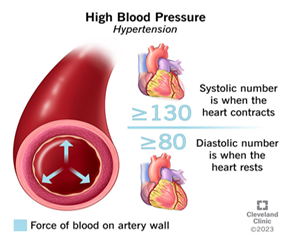
Hypertension is when the pressure in your blood vessels is too high (140/90 mmHg or higher). It is common but can be serious if not treated.
High blood pressure or Hypertension, is when the force of the blood pushing on the blood vessel walls is too high. When someone has high blood pressure: The heart has to pump harder. The arteries (blood vessels that carry the blood away from the heart) are under greater strain as they carry blood.
High blood pressure (hypertension) has no symptoms and can be dangerous if not treated. Hypertension puts you at risk for stroke, heart attack and other problems. Nearly half of adults who have hypertension don’t realize it. So, checkups are crucial. Dietary changes, exercise and medicine can help you keep your blood pressure where it should be.
How do I know if I have high blood pressure?
Getting your blood pressure checked is the only way to know if it’s too high. You can do this by seeing a healthcare provider for a yearly checkup, even if you feel healthy. You won’t feel sick if you have high blood pressure. So, these checkups are crucial and can be life-saving. If your BP is above the normal range, your provider will recommend lifestyle changes and/or medications to lower your numbers.
ಅಧಿಕರಕ್ತದೊತ್ತಡ (Hypertension)
ನಿಮ್ಮ ರಕ್ತನಾಳಗಳಲ್ಲಿನ ಒತ್ತಡವು ತುಂಬಾ ಹೆಚ್ಚಿರುವಾಗ ಅಧಿಕ ರಕ್ತದೊತ್ತಡಎಂದರೆ (140/90 ಎಂಎಂಹೆಚ್ಜಿ ಅಥವಾ ಹೆಚ್ಚಿನದು). ಇದು ಸಾಮಾನ್ಯವಾಗಿದೆ ಆದರೆಚಿಕಿತ್ಸೆ ನೀಡದಿದ್ದರೆಗಂಭೀರವಾಗಬಹುದು.ಅಧಿಕ ರಕ್ತದೊತ್ತಡ ಅಥವಾರಕ್ತನಾಳದ ಗೋಡೆಗಳ ಮೇಲೆ ರಕ್ತವನ್ನು ತಳ್ಳುವ ಬಲವುತುಂಬಾ ಹೆಚ್ಚಾಗಿದೆ.ಯಾರಾದರೂ ಅಧಿಕ ರಕ್ತದೊತ್ತಡವನ್ನು ಹೊಂದಿರುವಾಗ:ಹೃದಯವು ಗಟ್ಟಿಯಾಗಿ ಪಂಪ್ ಆಗಬೇಕು. ಅಪಧಮನಿಗಳು(ರಕ್ತವನ್ನು ಹೃದಯದಿಂದ ದೂರ ಸಾಗಿಸುವ ರಕ್ತನಾಳಗಳು)ರಕ್ತವನ್ನು ಸಾಗಿಸುವಾಗ ಹೆಚ್ಚಿನ ಒತ್ತಡದಲ್ಲಿರುತ್ತವೆ.
ಅಧಿಕ ರಕ್ತದೊತ್ತಡಯಾವುದೇ ರೋಗಲಕ್ಷಣಗಳನ್ನು ಹೊಂದಿಲ್ಲ ಮತ್ತು ಚಿಕಿತ್ಸೆ ನೀಡದಿದ್ದರೆ ಅಪಾಯಕಾರಿ. ಅಧಿಕ ರಕ್ತದೊತ್ತಡವು ಪಾರ್ಶ್ವವಾಯು, ಹೃದಯಾಘಾತ ಮತ್ತು ಇತರ ಸಮಸ್ಯೆಗಳಿಗೆ ಕಾರಣವಾಗುತ್ತದೆ. ಅಧಿಕ ರಕ್ತದೊತ್ತಡ ಹೊಂದಿರುವ ವಯಸ್ಕರಲ್ಲಿ ಅರ್ಧದಷ್ಟು ಜನರು ಅದನ್ನು ಅರಿತುಕೊಳ್ಳುವುದಿಲ್ಲ. ಆದ್ದರಿಂದ, ತಪಾಸಣೆಗಳು ನಿರ್ಣಾಯಕ. ಆಹಾರದ ಬದಲಾವಣೆಗಳು, ವ್ಯಾಯಾಮ ಮತ್ತು ಔಷಧವು ನಿಮ್ಮ ರಕ್ತದೊತ್ತಡವನ್ನು ಎಲ್ಲಿ ಇರಬೇಕು ಎಂದು ಸಹಾಯ ಮಾಡುತ್ತದೆ.
ನಮಗೆ ಅಧಿಕ ರಕ್ತದೊತ್ತಡವಿದೆಯೇ ಎಂದು ಹೇಗೆ ಗೊತ್ತಾಗುತ್ತದೆ?
ನಿಮ್ಮ ರಕ್ತದೊತ್ತಡವನ್ನು ಪರಿಶೀಲಿಸುವುದು ತುಂಬಾ ಹೆಚ್ಚಿದೆಯೇ ಎಂದು ತಿಳಿಯುವ ಏಕೈಕ ಮಾರ್ಗವಾಗಿದೆ. ಆರೋಗ್ಯ ರಕ್ಷಣೆ ನೀಡುಗರನ್ನು ವಾರ್ಷಿಕ ತಪಾಸಣೆಗಾಗಿ ಒಳಪಡಿಸುವುದರಮೂಲಕ ನೀವು ಇದನ್ನು ಮಾಡಬಹುದು, ನೀವು ಆರೋಗ್ಯವಾಗಿದ್ದರೂ ಸಹ. ನೀವು ಅಧಿಕ ರಕ್ತದೊತ್ತಡವನ್ನು ಹೊಂದಿದ್ದರೆ ನಿಮಗೆ ಆರೋಗ್ಯವಿಲ್ಲ. ಆದ್ದರಿಂದ, ಈ ತಪಾಸಣೆಗಳು ನಿರ್ಣಾಯಕ ಮತ್ತು ಜೀವ ಉಳಿಸಬಹುದು. ನಿಮ್ಮ ಬಿಪಿ ಸಾಮಾನ್ಯ ಶ್ರೇಣಿಗಿಂತ ಮೇಲಿದ್ದರೆ, ನಿಮ್ಮ ಶ್ರೇಣಿಯನ್ನುಕಡಿಮೆ ಮಾಡಲು ನಿಮ್ಮ ಪೂರೈಕೆದಾರರು ಜೀವನಶೈಲಿಯ ಬದಲಾವಣೆಗಳು ಅಥವಾ ಔಷಧಿಗಳನ್ನು ಶಿಫಾರಸು ಮಾಡುತ್ತಾರೆ.
Causes of Hypertension
LIFE STYLE FACTORS:
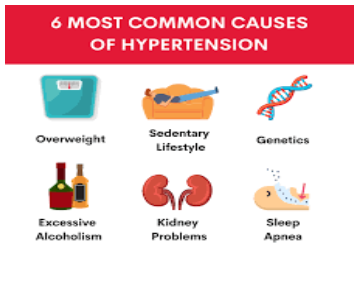
- Diet: High sodium intake (from salt) can increase blood pressure, while low potassium levels can exacerbate the issue by affecting the body's fluid balance.
- Alcohol and Caffeine: Excessive alcohol consumption and high caffeine intake can lead to temporary increases in blood pressure.
- Physical Activity: Lack of regular exercise is a significant risk factor, as it can lead to a higher resting heart rate and increased blood pressure.
- Weight: Being overweight or obese puts extra strain on the heart and blood vessels, increasing blood pressure.
- Stress: Chronic stress can lead to the release of hormones that temporarily raise blood pressure, and stress- related habits can further exacerbate the problem.
- Smoking: Smoking damages blood vessels and increases the risk of hypertension.
- Sleep: Not getting enough good-quality sleep can also contribute to high blood pressure.
MEDICAL CONDITIONS :
- Kidney Disease: Impaired kidney function can lead to fluid retention and increased blood pressure.
- Diabetes: High blood sugar levels can damage blood vessels and increase the risk of hypertension.
- Sleep Apnea: Obstructive sleep apnea, where breathing is repeatedly interrupted during sleep, can cause temporary spikes in blood pressure.
- Thyroid Disorders: Both hyperthyroidism (overactive thyroid) and hypothyroidism (underactive thyroid) can affect blood pressure.
- Adrenal Gland Disorders: Conditions like Cushing's syndrome can lead to elevated cortisol levels, which can increase blood pressure.
- Certain Tumors: Some tumors can produce hormones that affect blood pressure.
- Pregnancy: Some women develop high blood pressure during pregnancy (preeclampsia), which can pose risks to both mother and baby.
OTHER FACTORS :
- Genetics: A family history of high blood pressure can increase an individual's risk.
- Age: Blood pressure tends to increase with age.
- Ethnicity: Certain ethnic groups, such as Black Americans, have a higher prevalence of hypertension.
- Medications: Some medications, including certain birth control pills, cold medicines, and corticosteroids, can have high blood pressure as a side effect.
ಅಧಿಕ ರಕ್ತದೊತ್ತಡದ ಕಾರಣಗಳು.
ಜೀವನಶೈಲಿಯ ಅಂಶಗಳು:
- ಆಹಾರ ಪದ್ಧತಿ: ಅಧಿಕ ಸೋಡಿಯಂ ಸೇವನೆ (ಉಪ್ಪಿನಿಂದ) ರಕ್ತದೊತ್ತಡವನ್ನು ಹೆಚ್ಚಿಸಬಹುದು, ಆದರೆ ಕಡಿಮೆ ಪೊಟ್ಯಾಸಿಯಮ್ ಮಟ್ಟಗಳು ದೇಹದ ದ್ರವ ಸಮತೋಲನದ ಮೇಲೆ ಪರಿಣಾಮ ಬೀರುವ ಮೂಲಕ ಸಮಸ್ಯೆಯನ್ನು ಉಲ್ಬಣಗೊಳಿಸಬಹುದು.
- ಆಲ್ಕೋಹಾಲ್ ಮತ್ತು ಕೆಫೀನ್: ಅತಿಯಾದ ಆಲ್ಕೋಹಾಲ್ ಸೇವನೆ ಮತ್ತು ಹೆಚ್ಚಿನ ಕೆಫೀನ್ ಸೇವನೆಯು ರಕ್ತದೊತ್ತಡದಲ್ಲಿ ತಾತ್ಕಾಲಿಕ ಹೆಚ್ಚಳಕ್ಕೆ ಕಾರಣವಾಗಬಹುದು.
- ದೈಹಿಕ ಚಟುವಟಿಕೆ: ನಿಯಮಿತ ವ್ಯಾಯಾಮದ ಕೊರತೆಯು ಗಮನಾರ್ಹ ಅಪಾಯಕಾರಿ ಅಂಶವಾಗಿದೆ, ಏಕೆಂದರೆ ಇದು ಹೆಚ್ಚಿನ ವಿಶ್ರಾಂತಿ ಹೃದಯ ಬಡಿತ ಮತ್ತು ರಕ್ತದೊತ್ತಡವನ್ನು ಹೆಚ್ಚಿಸಲು ಕಾರಣವಾಗಬಹುದು.
- ತೂಕ: ಅಧಿಕ ತೂಕ ಅಥವಾ ಬೊಜ್ಜು ಹೃದಯ ಮತ್ತು ರಕ್ತನಾಳಗಳ ಮೇಲೆ ಹೆಚ್ಚುವರಿ ಒತ್ತಡವನ್ನು ಉಂಟುಮಾಡುತ್ತದೆ, ರಕ್ತದೊತ್ತಡವನ್ನು ಹೆಚ್ಚಿಸುತ್ತದೆ.
- ಒತ್ತಡ: ದೀರ್ಘಕಾಲದ ಒತ್ತಡವು ತಾತ್ಕಾಲಿಕವಾಗಿ ರಕ್ತದೊತ್ತಡವನ್ನು ಹೆಚ್ಚಿಸುವ ಹಾರ್ಮೋನುಗಳ ಬಿಡುಗಡೆಗೆ ಕಾರಣವಾಗಬಹುದು ಮತ್ತು ಒತ್ತಡ-ಸಂಬಂಧಿತ ಅಭ್ಯಾಸಗಳು ಸಮಸ್ಯೆಯನ್ನು ಮತ್ತಷ್ಟು ಉಲ್ಬಣಗೊಳಿಸಬಹುದು.
- ಧೂಮಪಾನ: ಧೂಮಪಾನವು ರಕ್ತನಾಳಗಳಿಗೆ ಹಾನಿ ಮಾಡುತ್ತದೆ ಮತ್ತು ಅಧಿಕ ರಕ್ತದೊತ್ತಡದ ಅಪಾಯವನ್ನು ಹೆಚ್ಚಿಸುತ್ತದೆ.
- ನಿದ್ರೆ: ಸಾಕಷ್ಟು ಉತ್ತಮ ಗುಣಮಟ್ಟದ ನಿದ್ರೆ ಸಿಗದಿರುವುದು ಅಧಿಕ ರಕ್ತದೊತ್ತಡಕ್ಕೆ ಕಾರಣವಾಗಬಹುದು.
ವೈದ್ಯಕೀಯ ಪರಿಸ್ಥಿತಿಗಳು:
- ಮೂತ್ರಪಿಂಡ ಕಾಯಿಲೆ: ದುರ್ಬಲಗೊಂಡ ಮೂತ್ರಪಿಂಡದ ಕಾರ್ಯವು ದ್ರವದ ಶೇಖರಣೆ ಮತ್ತು ರಕ್ತದೊತ್ತಡ ಹೆಚ್ಚಳಕ್ಕೆ ಕಾರಣವಾಗಬಹುದು.
- ಮಧುಮೇಹ: ಅಧಿಕ ರಕ್ತದ ಸಕ್ಕರೆ ಮಟ್ಟಗಳು ರಕ್ತನಾಳಗಳನ್ನು ಹಾನಿಗೊಳಿಸಬಹುದು ಮತ್ತು ಅಧಿಕ ರಕ್ತದೊತ್ತಡದ ಅಪಾಯವನ್ನು ಹೆಚ್ಚಿಸಬಹುದು.
- ಸ್ಲೀಪ್ ಅಪ್ನಿಯಾ:ನಿದ್ರೆಯ ಸಮಯದಲ್ಲಿ ಉಸಿರಾಟವನ್ನು ಪದೇ ಪದೇ ಅಡ್ಡಿಪಡಿಸುವ ಪ್ರತಿರೋಧಕ ನಿದ್ರೆಯಲ್ಲಿ ಉಸಿರುಕಟ್ಟುವಿಕೆ, ರಕ್ತದೊತ್ತಡದಲ್ಲಿ ತಾತ್ಕಾಲಿಕ ಏರಿಕೆಗೆ ಕಾರಣವಾಗಬಹುದು.
- ಥೈರಾಯ್ಡ್ ಅಸ್ವಸ್ಥತೆಗಳು: ಹೈಪರ್ ಥೈರಾಯ್ಡಿಸಮ್ (ಅತಿಯಾದ ಥೈರಾಯ್ಡ್) ಮತ್ತು ಹೈಪೋಥೈರಾಯ್ಡಿಸಮ್ (ಅಂಡರ್ ಆಕ್ಟಿವ್ ಥೈರಾಯ್ಡ್) ಎರಡೂ ರಕ್ತದೊತ್ತಡದ ಮೇಲೆ ಪರಿಣಾಮ ಬೀರಬಹುದು.
- ಮೂತ್ರಜನಕಾಂಗದ ಗ್ರಂಥಿ ಅಸ್ವಸ್ಥತೆಗಳು: ಕುಶಿಂಗ್ ಸಿಂಡ್ರೋಮ್ನಂತಹ ಪರಿಸ್ಥಿತಿಗಳು ಕಾರ್ಟಿಸೋಲ್ ಮಟ್ಟವನ್ನು ಹೆಚ್ಚಿಸಲು ಕಾರಣವಾಗಬಹುದು, ಇದು ರಕ್ತದೊತ್ತಡವನ್ನು ಹೆಚ್ಚಿಸುತ್ತದೆ.
- ಕೆಲವು ಗೆಡ್ಡೆಗಳು: ಕೆಲವು ಗೆಡ್ಡೆಗಳು ರಕ್ತದೊತ್ತಡದ ಮೇಲೆ ಪರಿಣಾಮ ಬೀರುವ ಹಾರ್ಮೋನುಗಳನ್ನು ಉತ್ಪಾದಿಸಬಹುದು.
- ಗರ್ಭಧಾರಣೆ: ಕೆಲವು ಮಹಿಳೆಯರು ಗರ್ಭಾವಸ್ಥೆಯಲ್ಲಿ ಅಧಿಕ ರಕ್ತದೊತ್ತಡವನ್ನು ಬೆಳೆಸಿಕೊಳ್ಳುತ್ತಾರೆ (ಪ್ರಿಕ್ಲಾಂಪ್ಸಿಯಾ), ಇದು ತಾಯಿ ಮತ್ತು ಮಗುವಿಗೆ ಅಪಾಯವನ್ನುಂಟುಮಾಡುತ್ತದೆ.
ಇತರ ಅಂಶಗಳು:
- ತಳಿಶಾಸ್ತ್ರ: ಅಧಿಕ ರಕ್ತದೊತ್ತಡದ ಕುಟುಂಬದ ಇತಿಹಾಸವು ವ್ಯಕ್ತಿಯ ಅಪಾಯವನ್ನು ಹೆಚ್ಚಿಸುತ್ತದೆ.
- ವಯಸ್ಸು: ವಯಸ್ಸಾದಂತೆ ರಕ್ತದೊತ್ತಡ ಹೆಚ್ಚಾಗುತ್ತದೆ.
- ಜನಾಂಗೀಯತೆ: ಕಪ್ಪು ಅಮೆರಿಕನ್ನರಂತಹ ಕೆಲವು ಜನಾಂಗೀಯ ಗುಂಪುಗಳು ಅಧಿಕ ರಕ್ತದೊತ್ತಡದ ಹೆಚ್ಚಿನ ಪ್ರಮಾಣವನ್ನು ಹೊಂದಿವೆ.
- ಔಷಧಿಗಳು: ಕೆಲವು ಜನನ ನಿಯಂತ್ರಣ ಮಾತ್ರೆಗಳು, ಶೀತ ಔಷಧಿಗಳು ಮತ್ತು ಕಾರ್ಟಿಕೊಸ್ಟೆರಾಯ್ಡ್ಗಳು ಸೇರಿದಂತೆ ಕೆಲವು ಔಷಧಿಗಳು ಅಡ್ಡಪರಿಣಾಮವಾಗಿ ಅಧಿಕ ರಕ್ತದೊತ್ತಡವನ್ನು ಉಂಟುಮಾಡಬಹುದು.
Risk Factors Of Hypertension.
MODIFIABLE RISK FACTORS:
- Diet: A diet high in sodium and low in potassium can increase blood pressure.
- Physical Activity: Lack of physical activity is a major contributor to hypertension.
- Weight: Being overweight or obese increases the risk of high blood pressure.
- Alcohol Consumption: Excessive alcohol intake can raise blood pressure.
- Tobacco Use: Smoking or using tobacco products damages blood vessels and can increase blood pressure.
- Stress: Chronic stress can lead to elevated blood pressure.
- Certain Medical Conditions: Conditions like diabetes, kidney disease, and sleep apnea are also risk factors.
- Medications: Some medications, like certain antidepressants, decongestants, and NSAIDs, can raise blood pressure.
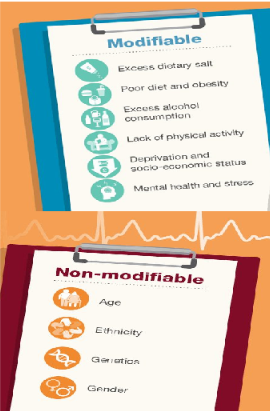
NON-MODIFIABLE RISK FACTORS:
- Age: The risk of hypertension increases with age, particularly after 65.
- Family-History: Having a family history of hypertension increases your risk.
- Race: High blood pressure is more common among Black people, and it often develops at an earlier age.
OTHER FACTORS:
- Sleep Apnea: Obstructive sleep apnea can contribute to hypertension.
- Endocrine Conditions: Certain hormonal imbalances, like primary aldosteronism, can also cause high blood pressure.
- Air Pollution: Prolonged exposure to air pollution has been linked to an increased risk of hypertension.
ಅಧಿಕ ರಕ್ತದೊತ್ತಡದ ಅಪಾಯಕಾರಿ ಅಂಶಗಳು.
ಅಧಿಕ ರಕ್ತದೊತ್ತಡವು ಹಲವಾರು ಅಪಾಯಕಾರಿ
ಅಂಶಗಳನ್ನು ಹೊಂದಿದೆ, ಅವುಗಳಲ್ಲಿ ಕೆಲವು ಮಾರ್ಪಡಿಸಬಹುದಾದವು ಮತ್ತು ಇನ್ನು ಕೆಲವು ಅಲ್ಲ. ಮಾರ್ಪಡಿಸಬಹುದಾದ ಅಪಾಯಕಾರಿ
ಅಂಶಗಳಲ್ಲಿ ಆಹಾರ ಪದ್ಧತಿ, ದೈಹಿಕ ಚಟುವಟಿಕೆ, ತೂಕ, ಮದ್ಯ ಮತ್ತು ತಂಬಾಕು ಬಳಕೆ ಮತ್ತು ಒತ್ತಡದ ಮಟ್ಟಗಳು ಸೇರಿವೆ.
ಮಾರ್ಪಡಿಸಲಾಗದ ಅಪಾಯಕಾರಿ ಅಂಶಗಳಲ್ಲಿ ವಯಸ್ಸು, ಕುಟುಂಬದ ಇತಿಹಾಸ ಮತ್ತು ಜನಾಂಗ ಸೇರಿವೆ.
ಮಾರ್ಪಡಿಸಬಹುದಾದ ಅಪಾಯಕಾರಿ ಅಂಶಗಳು:
- ಆಹಾರ: ಸೋಡಿಯಂ ಅಧಿಕ ಮತ್ತು ಪೊಟ್ಯಾಸಿಯಮ್ ಕಡಿಮೆ ಇರುವ ಆಹಾರವು ರಕ್ತದೊತ್ತಡವನ್ನು ಹೆಚ್ಚಿಸಬಹುದು.
- ದೈಹಿಕ ಚಟುವಟಿಕೆ: ದೈಹಿಕ ಚಟುವಟಿಕೆಯ ಕೊರತೆಯು ಅಧಿಕ ರಕ್ತದೊತ್ತಡಕ್ಕೆ ಪ್ರಮುಖ ಕಾರಣವಾಗಿದೆ.
- ತೂಕ: ಅಧಿಕ ತೂಕ ಅಥವಾ ಬೊಜ್ಜು ಇರುವುದು ಅಧಿಕ ರಕ್ತದೊತ್ತಡದ ಅಪಾಯವನ್ನು ಹೆಚ್ಚಿಸುತ್ತದೆ.
- ಮದ್ಯ ಸೇವನೆ: ಅತಿಯಾದ ಮದ್ಯ ಸೇವನೆಯು ರಕ್ತದೊತ್ತಡವನ್ನು ಹೆಚ್ಚಿಸಬಹುದು.
- ತಂಬಾಕು ಬಳಕೆ:ಧೂಮಪಾನ ಅಥವಾ ತಂಬಾಕು ಉತ್ಪನ್ನಗಳನ್ನು ಬಳಸುವುದು ರಕ್ತನಾಳಗಳಿಗೆ ಹಾನಿ ಮಾಡುತ್ತದೆ ಮತ್ತು ರಕ್ತದೊತ್ತಡವನ್ನು ಹೆಚ್ಚಿಸಬಹುದು.
- ಒತ್ತಡ: ದೀರ್ಘಕಾಲದ ಒತ್ತಡವು ರಕ್ತದೊತ್ತಡವನ್ನು ಹೆಚ್ಚಿಸಲು ಕಾರಣವಾಗಬಹುದು.
- ಕೆಲವು ವೈದ್ಯಕೀಯ ಪರಿಸ್ಥಿತಿಗಳು: ಮಧುಮೇಹ, ಮೂತ್ರಪಿಂಡ ಕಾಯಿಲೆ ಮತ್ತು ಸ್ಲೀಪ್ ಅಪ್ನಿಯಾದಂತಹ ಪರಿಸ್ಥಿತಿಗಳು ಸಹ ಅಪಾಯಕಾರಿ ಅಂಶಗಳಾಗಿವೆ.
- ಔಷಧಿಗಳು: ಕೆಲವು ಖಿನ್ನತೆ-ಶಮನಕಾರಿಗಳು, ಡಿಕೊಂಜೆಸ್ಟೆಂಟ್ಗಳು ಮತ್ತು NSAID ಗಳಂತಹ ಕೆಲವು ಔಷಧಿಗಳು ರಕ್ತದೊತ್ತಡವನ್ನು ಹೆಚ್ಚಿಸಬಹುದು.
ಬದಲಾಯಿಸಲಾಗದ ಅಪಾಯಕಾರಿ ಅಂಶಗಳು:
- ವಯಸ್ಸು: ಅಧಿಕ ರಕ್ತದೊತ್ತಡದ ಅಪಾಯವು ವಯಸ್ಸಿನಲ್ಲಿ ಹೆಚ್ಚಾಗುತ್ತದೆ, ವಿಶೇಷವಾಗಿ 65 ವರ್ಷಗಳ ನಂತರ.
- ಕುಟುಂಬ-ಇತಿಹಾಸ: ಅಧಿಕ ರಕ್ತದೊತ್ತಡದ ಕುಟುಂಬದ ಇತಿಹಾಸವನ್ನು ಹೊಂದಿರುವುದು ನಿಮ್ಮ ಅಪಾಯವನ್ನು ಹೆಚ್ಚಿಸುತ್ತದೆ.
- ಜನಾಂಗ: ಕಪ್ಪು ಜನರಲ್ಲಿ ಅಧಿಕ ರಕ್ತದೊತ್ತಡ ಹೆಚ್ಚಾಗಿ ಕಂಡುಬರುತ್ತದೆ ಮತ್ತು ಇದು ಹೆಚ್ಚಾಗಿ ಮುಂಚಿನ ವಯಸ್ಸಿನಲ್ಲಿಯೇ ಬೆಳೆಯುತ್ತದೆ.
ಇತರ ಅಂಶಗಳು:
- ಸ್ಲೀಪ್ ಅಪ್ನಿಯಾ: ಪ್ರತಿರೋಧಕ ನಿದ್ರೆಯಲ್ಲಿ ಉಸಿರುಕಟ್ಟುವಿಕೆ ಅಧಿಕ ರಕ್ತದೊತ್ತಡಕ್ಕೆ ಕಾರಣವಾಗಬಹುದು.
- ಎಂಡೋಕ್ರೈನ್ ಪರಿಸ್ಥಿತಿಗಳು: ಪ್ರಾಥಮಿಕ ಆಲ್ಡೋಸ್ಟೆರೋನಿಸಂನಂತಹ ಕೆಲವು ಹಾರ್ಮೋನುಗಳ ಅಸಮತೋಲನಗಳು ಅಧಿಕ ರಕ್ತದೊತ್ತಡಕ್ಕೆ ಕಾರಣವಾಗಬಹುದು.
- ವಾಯು ಮಾಲಿನ್ಯ: ವಾಯು ಮಾಲಿನ್ಯಕ್ಕೆ ದೀರ್ಘಕಾಲದವರೆಗೆ ಒಡ್ಡಿಕೊಳ್ಳುವುದರಿಂದ ಅಧಿಕ ರಕ್ತದೊತ್ತಡದ ಅಪಾಯ ಹೆಚ್ಚಾಗುತ್ತದೆ.
Signs & Symptoms of Hypertension
High blood pressure can cause symptoms such as severe headaches, chest pain, vision problems, shortness of breath or nosebleeds.
Common symptoms (when blood pressure is severely elevated) :
- Severe headaches: A sudden, intense headache can be a sign.
- Vision changes: Blurred or double vision, or even temporary vision loss, can occur.
- Chest pain: Discomfort or pain in the chest area.
- Shortness of breath: Difficulty breathing or feeling winded.
- Nosebleeds: Frequent or severe nosebleeds.
- Fatigue: Feeling unusually tired or weak.
- Dizziness or lightheadedness: Feeling unsteady or faint.
- Confusion: Difficulty thinking clearly or feeling disoriented.
- Nausea or vomiting: Feeling sick to your stomach.
- Irregular heartbeat: Feeling like your heart is racing, skipping beats, or fluttering.
When to seek immediate medical attention ?
- Blood pressure above 180/120 mm Hg (hypertensive crisis): If you experience any of the above symptoms along with extremely high blood pressure, seek immediate medical help.
- Sudden, severe symptoms: Any sudden and severe symptoms like a severe headache, chest pain, difficulty breathing, or vision changes warrant immediate medical attention.
ಅಧಿಕ ರಕ್ತದೊತ್ತಡದ ಚಿಹ್ನೆಗಳು ಮತ್ತು ಲಕ್ಷಣಗಳು.
ಅಧಿಕ ರಕ್ತದೊತ್ತಡವು ತೀವ್ರ ತಲೆನೋವು, ಎದೆ ನೋವು, ದೃಷ್ಟಿ ಸಮಸ್ಯೆಗಳು, ಉಸಿರಾಟದ
ತೊಂದರೆ ಅಥವಾ ಮೂಗಿನ ರಕ್ತಸ್ರಾವದಂತಹ ಲಕ್ಷಣಗಳನ್ನು ಉಂಟುಮಾಡಬಹುದು.
ಸಾಮಾನ್ಯ ಲಕ್ಷಣಗಳು (ರಕ್ತದೊತ್ತಡ ತೀವ್ರವಾಗಿ ಹೆಚ್ಚಾದಾಗ):
- ಉಚ್ಛ್ವಾಸ, ಹಠಾತ್ ತೀವ್ರವಾದ ತಲೆನೋವು ಒಂದು ಲಕ್ಷಣವಾಗಿರಬಹುದು.
- ದೃಷ್ಟಿ ಬದಲಾವಣೆಗಳು: ಮಸುಕಾದ ಅಥವಾ ಎರಡು ದೃಷ್ಟಿ, ಅಥವಾ ತಾತ್ಕಾಲಿಕ ದೃಷ್ಟಿ ನಷ್ಟವೂ ಸಂಭವಿಸಬಹುದು.
- ಎದೆ ನೋವು: ಎದೆಯ ಪ್ರದೇಶದಲ್ಲಿ ಅಸ್ವಸ್ಥತೆ ಅಥವಾ ನೋವು.
- ಉಸಿರಾಟದ ತೊಂದರೆ: ಉಸಿರಾಟದ ತೊಂದರೆ ಅಥವಾ ನಿಶ್ವಾಸದ ತೊಂದರೆ
- ಮೂಗಿನ ರಕ್ತಸ್ರಾವ: ನಿರಂತರವಾದ ಅಥವಾ ತೀವ್ರವಾದ ಮೂಗಿನ ರಕ್ತಸ್ರಾವ.
- ಆಯಾಸ: ಅಸಾಮಾನ್ಯವಾಗಿ ದಣಿದ ಅಥವಾ ದುರ್ಬಲ ಭಾವನೆ.
- ತಲೆತಿರುಗುವಿಕೆ ಅಥವಾ ಲಘು ತಲೆನೋವು: ಅಸ್ಥಿರ ಅಥವಾ ಮಸುಕಾದ ಭಾವನೆ.
- ಗೊಂದಲ: ಸ್ಪಷ್ಟವಾಗಿ ಯೋಚಿಸಲು ತೊಂದರೆ ಅಥವಾ ದಿಗ್ಭ್ರಮೆಗೊಂಡ ಭಾವನೆ.
- ವಾಕರಿಕೆ ಅಥವಾ ವಾಂತಿ: ಹೊಟ್ಟೆ ತೊಂದರೆ.
- ಅನಿಯಮಿತ ಹೃದಯ ಬಡಿತ: ನಿಮ್ಮ ಹೃದಯ ವೇಗವಾಗಿ ಓಡುತ್ತಿರುವಂತೆ, ಬಡಿತಗಳನ್ನು ಬಿಟ್ಟು ಬಿಟ್ಟು ಬರುವಂತೆ ಅಥವಾ ನಡುಗುತ್ತಿರುವಂತೆ ಭಾಸವಾಗುತ್ತದೆ.
ತಕ್ಷಣದ ವೈದ್ಯಕೀಯ ಚಿಕಿತ್ಸೆ ಯಾವಾಗ ಪಡೆಯಬೇಕು:
- 180/120 mm Hg ಗಿಂತ ಹೆಚ್ಚಿನ ರಕ್ತದೊತ್ತಡ (ಅಧಿಕ ರಕ್ತದೊತ್ತಡದ ಬಿಕ್ಕಟ್ಟು): ಮೇಲಿನ ಯಾವುದೇ ಲಕ್ಷಣಗಳು ಮತ್ತು ಅಧಿಕ ರಕ್ತದೊತ್ತಡವನ್ನು ನೀವು ಅನುಭವಿಸಿದರೆ, ತಕ್ಷಣ ವೈದ್ಯಕೀಯ ಸಹಾಯವನ್ನು ಪಡೆಯಿರಿ.
- ಹಠಾತ್, ತೀವ್ರ ಲಕ್ಷಣಗಳು: ತೀವ್ರ ತಲೆನೋವು, ಎದೆ ನೋವು, ಉಸಿರಾಟದ ತೊಂದರೆ ಅಥವಾ ದೃಷ್ಟಿ ಬದಲಾವಣೆಗಳಂತಹ ಯಾವುದೇ ಹಠಾತ್ ಮತ್ತು ತೀವ್ರ ಲಕ್ಷಣಗಳು ಕಂಡುಬಂದರೆ ತಕ್ಷಣದ ವೈದ್ಯಕೀಯ ಚಿಕಿತ್ಸೆ ಅಗತ್ಯ.
Diagnosis of Hypertension
Here's a more detailed breakdown:
1. Measurement :
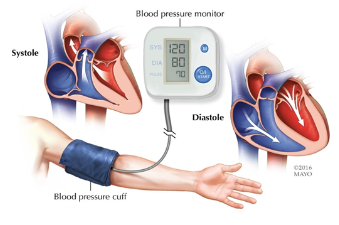
- Blood pressure is measured using a sphygmomanometer (cuff) and stethoscope, or an automated device.
- The measurement involves two readings: systolic (pressure when the heart beats) and diastolic (pressure when the heart rests).
- Readings should be taken in a standardized manner, with the patient seated comfortably, and after a period of rest.
2. Diagnosis :
- Elevated Blood Pressure: Readings between 120-129 systolic and less than 80 diastolic indicate elevated blood pressure, requiring lifestyle modifications and monitoring.
- Stage 1 Hypertension: Readings between 130-139 systolic or 80-89 diastolic indicate stage 1 hypertension.
- Stage 2 Hypertension: Readings of 140 or higher systolic or 90 or higher diastolic indicate stage 2 hypertension.
- Hypertensive Crisis: Readings above 180/120 mmHg require immediate medical attention.
- Confirming the Diagnosis: A diagnosis of hypertension is usually confirmed by averaging readings from multiple visits.
3. Further Assessment :
- Ambulatory Blood Pressure Monitoring (ABPM): If clinic readings are borderline, ABPM (24-hour monitoring) may be used to confirm the diagnosis and assess blood pressure variations throughout the day.
- Home Blood Pressure Monitoring (HBPM): If ABPM is not feasible, HBPM can be used to confirm the diagnosis.
ಅಧಿಕ ರಕ್ತದೊತ್ತಡದ ರೋಗನಿರ್ಣಯ.
ಇಲ್ಲಿ ಹೆಚ್ಚು ವಿವರವಾದ ವಿವರಣೆ ಇದೆ:
1. ಅಳತೆ :
- ರಕ್ತದೊತ್ತಡವನ್ನು ಸ್ಪಿಗ್ಮೋಮನೋಮೀಟರ್ (ಕಫ್) ಮತ್ತು ಸ್ಟೆತೊಸ್ಕೋಪ್ ಅಥವಾ ಸ್ವಯಂಚಾಲಿತ ಸಾಧನವನ್ನು ಬಳಸಿ ಅಳೆಯಲಾಗುತ್ತದೆ.
- ಮಾಪನವು ಎರಡು ವಾಚನಗಳನ್ನು ಒಳಗೊಂಡಿರುತ್ತದೆ: ಸಿಸ್ಟೊಲಿಕ್ (ಹೃದಯ ಬಡಿಯುವಾಗ ಒತ್ತಡ) ಮತ್ತು ಡಯಾಸ್ಟೊಲಿಕ್ (ಹೃದಯವು ವಿಶ್ರಾಂತಿ ಪಡೆಯುವಾಗ ಒತ್ತಡ).
- ವಾಚನಗಳನ್ನು ಪ್ರಮಾಣೀಕೃತ ರೀತಿಯಲ್ಲಿ ತೆಗೆದುಕೊಳ್ಳಬೇಕು, ರೋಗಿಯನ್ನು ಆರಾಮವಾಗಿ ಕುಳಿತುಕೊಳ್ಳಿ ಮತ್ತು ಸ್ವಲ್ಪ ಸಮಯದ ವಿಶ್ರಾಂತಿಯ ನಂತರ.
2. ರೋಗ ನಿರ್ಣಯ :
- ಹೆಚ್ಚಿದ ರಕ್ತದೊತ್ತಡ: 120-129 ಸಿಸ್ಟೊಲಿಕ್ ಮತ್ತು 80 ಕ್ಕಿಂತ ಕಡಿಮೆ ಡಯಾಸ್ಟೊಲಿಕ್ ನಡುವಿನ ವಾಚನಗೋಷ್ಠಿಗಳು ಅಧಿಕ ರಕ್ತದೊತ್ತಡವನ್ನು ಸೂಚಿಸುತ್ತವೆ, ಜೀವನಶೈಲಿಯ ಮಾರ್ಪಾಡುಗಳು ಮತ್ತು ಮೇಲ್ವಿಚಾರಣೆಯ ಅಗತ್ಯವಿರುತ್ತದೆ.
- ಹಂತ 1 ಅಧಿಕ ರಕ್ತದೊತ್ತಡ: 130-139 ಸಿಸ್ಟೊಲಿಕ್ ಅಥವಾ 80-89 ಡಯಾಸ್ಟೊಲಿಕ್ ನಡುವಿನ ವಾಚನಗೋಷ್ಠಿಗಳು ಹಂತ 1 ಅಧಿಕ ರಕ್ತದೊತ್ತಡವನ್ನು ಸೂಚಿಸುತ್ತವೆ.
- ಹಂತ 2 ಅಧಿಕ ರಕ್ತದೊತ್ತಡ: 140 ಅಥವಾ ಹೆಚ್ಚಿನ ಸಿಸ್ಟೊಲಿಕ್ ಅಥವಾ 90 ಅಥವಾ ಹೆಚ್ಚಿನ ಡಯಾಸ್ಟೊಲಿಕ್ ವಾಚನಗೋಷ್ಠಿಗಳು ಹಂತ 2 ಅಧಿಕ ರಕ್ತದೊತ್ತಡವನ್ನು ಸೂಚಿಸುತ್ತವೆ.
- ಅಧಿಕ ರಕ್ತದೊತ್ತಡದ ಬಿಕ್ಕಟ್ಟು: 180/120 mmHg ಗಿಂತ ಹೆಚ್ಚಿನ ವಾಚನಗೋಷ್ಠಿಗಳಿಗೆ ತಕ್ಷಣದ ವೈದ್ಯಕೀಯ ಆರೈಕೆಯ ಅಗತ್ಯವಿರುತ್ತದೆ.
- ರೋಗನಿರ್ಣಯವನ್ನು ದೃಢೀಕರಿಸುವುದು: ಅಧಿಕ ರಕ್ತದೊತ್ತಡದ ರೋಗನಿರ್ಣಯವನ್ನು ಸಾಮಾನ್ಯವಾಗಿ ಬಹು ಭೇಟಿಗಳಿಂದ ಸರಾಸರಿ ವಾಚನಗೋಷ್ಠಿಗಳ ಮೂಲಕ ದೃಢೀಕರಿಸಲಾಗುತ್ತದೆ.
3. ಹೆಚ್ಚಿನ ಮೌಲ್ಯಮಾಪನ:
- ಆಂಬ್ಯುಲೇಟರಿ ರಕ್ತದೊತ್ತಡ ಮಾನಿಟರಿಂಗ್ (ABPM): ಕ್ಲಿನಿಕ್ ರೀಡಿಂಗ್ಗಳು ಗಡಿರೇಖೆಯಲ್ಲಿದ್ದರೆ, ರೋಗನಿರ್ಣಯವನ್ನು ದೃಢೀಕರಿಸಲು ಮತ್ತು ದಿನವಿಡೀ ರಕ್ತದೊತ್ತಡದ ವ್ಯತ್ಯಾಸಗಳನ್ನು ನಿರ್ಣಯಿಸಲು ABPM (24-ಗಂಟೆಗಳ ಮೇಲ್ವಿಚಾರಣೆ) ಅನ್ನು ಬಳಸಬಹುದು.
- ಗೃಹ ರಕ್ತದೊತ್ತಡ ಮಾನಿಟರಿಂಗ್ (HBPM): ABPM ಕಾರ್ಯಸಾಧ್ಯವಾಗದಿದ್ದರೆ, ರೋಗನಿರ್ಣಯವನ್ನು ದೃಢೀಕರಿಸಲು HBPM ಅನ್ನು ಬಳಸಬಹುದು.
Patient care
- Find A Doctor
- Medical Services
- Patient testimonials
- Value added services
- Pay online
- Pay online
Visiting Consultation / Facilities Available
- Orthopaedics
- Nephrology & Urology
- Cardiology
- Pulmonology
- Gastroenterology
- Spine Injury
- Oncology
- Neurology & Neurosurgery
- Preventive health checkup
- Emergency Care
- Ear, Nose & Throat
- Vascular Surgery
- Obstetrics & Gynaecology
- General Surgery
Medical Procedures
- Cosmetic and Plastic surgery
- Oral & Maxillofacial Surgery
- Hand Microsurgery
- Hip Arthroscopy
- Knee replacement surgery
Corporate
- Company Overview
- Our Doctors Achieve
- Management
- Investor Relation
- Investor Presentation
- Initiatives
- Awards & Accolades
- Careers
Academics & Research
- Courses
- Academics
- Clinical research
- Honors List
- Network
- Web Broadcasts
- Collaborative Forums
- What's New
News & media
- News
Hospitals
- Hospitals in India
- International Hospitals
- Reach Hospitals
Contact Us
- Post A Query
- Contact Doctors online
- Book physical Appointment
- Give your Feedback
Copyright © 2022. All rights reserved.